by Gaurav Karale | Jun 25, 2025 | Multi Factor Authentication
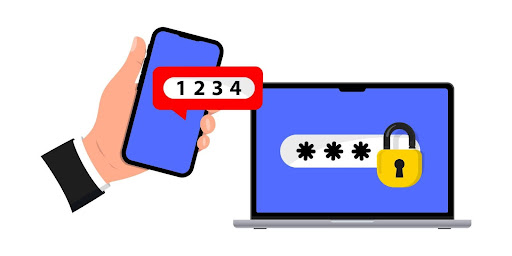
As we move further into 2025, discussions regarding cybersecurity have progressed far beyond firewalls and antivirus programs. At the center of this evolution is one of the most vital elements of digital protection, Multi-Factor Authentication (MFA). Although MFA is already a conventional practice for businesses and SMBs, the development of this layer of security is now poised to revamp identity protection.
Let’s take a look at what’s next for MFA in 2025 and how upcoming trends are revolutionizing the future of identity security.
Passwordless Authentication Leads the Way
Passwords are increasingly becoming a weak point in cybersecurity. Despite a strong password policy, user error and phishing attacks compromise conventional login systems. Passwordless authentication is becoming mainstream in 2025. Biometric logins (fingerprint, facial recognition), hardware security keys, and magic link-based logins are driving this trend.
This trend is not merely about convenience; it’s a leap to more identity assurance. Companies seeking the best multifactor authentication solutions are choosing products that enable passwordless authentication, lessening reliance on user memory and decreasing credential-based attacks.
Context-Aware Authentication Becoming the Norm
Another increasing trend in 2025 is adaptive or context-aware MFA. Instead of the same degree of authentication each time, context-aware MFA examines user behavior, device, location, log-in time, and other data to figure out the degree of security required. For example, logging in via a known office machine might not need the same degree of validation as entering a dashboard via an unfamiliar network at 2 AM.
This dynamic reaction enhances both usability and security, which makes it one of the most important focuses in the best multifactor authentication solutions today.
MFA for Machine Identities and APIs
Historically, MFA was intended for human users. However, with the increasing number of IoT devices, cloud-native applications, and distributed microservices, machine identities like APIs, bots, and devices also need to be securely authenticated. Enterprises are implementing MFA protocols at the API level so that machines, just like users, are authenticated to be who they are.
Against this backdrop, solution vendors are broadening their offerings to provide secure access management for human and machine identities, enable easy API authentication, and enhance overall infrastructure resilience.
Integration with Unified Endpoint and Access Management
By 2025, MFA is no longer working in a silo. It is becoming more and more part of Unified Endpoint Management (UEM) and Identity and Access Management (IAM) tools. This makes sure that authentication processes are not only secure but also manageable through a centralized platform.
For example, Acceron’s portfolio boasts Nexus Authentication, a strong product that offers certificate-based logins, smart cards, and biometric functionality. It also seamlessly integrates with access control systems to produce a unified security environment. These integrations do more than simply layer identity security, however; they make it streamlined and efficient as well.
MFA-as-a-Service: Scalability for SMBs
MFA was previously regarded as an enterprise feature only because of cost and complexity. However, in 2025, MFA-as-a-Service (MFAaaS) is empowering small and medium-sized businesses to scale authentication without making significant infrastructure investments. Cloud-based MFA platforms provide simple setup, API integration, and friendly user interfaces, which enable businesses of all sizes to leverage it.
Most SMBs today seek the best multifactor authentication solutions that offer cloud-native agility, role-based privileges, and compliance-ready controls—all within a predictable, month-to-month cost structure.
AI-Driven Authentication Analytics
Artificial Intelligence is significantly contributing to the development of MFA. AI-powered MFA systems, through the analysis of login activity, anomaly patterns, and device profiles, have the ability to detect threats in real-time and adapt security needs dynamically. It not only minimizes friction for authorized users but also enhances protection against identity fraud.
AI-enabled analytics also enables CISOs and IT to recognize where there are areas of authentication failure and how they can further streamline their identity strategies.
User Experience Still Matters
While security is always the number one priority, user experience (UX) continues to be at the center of MFA development. Difficulty and intrusive authentication can result in user aggravation, poor compliance, or dangerous workarounds. In 2025, there’s a big trend toward frictionless security, authentication that is robust but almost invisible.
This encompasses biometric identification, QR code sign-ins, and authentication through wearable devices, all intended to safeguard users without inconveniencing them.
Conclusion
The future of MFA in 2025 is evident: it’s smarter, more adaptive, and more consolidated than ever. From passwordless authentication and context-aware policy to machine identity management and AI-powered analytics, the identity security future is dynamic and multi-dimensional.
Organizations, particularly those in industries such as finance, healthcare, or infrastructure, cannot afford to be in the slow lane of using antiquated practices. Rather, they need to adopt a contemporary MFA strategy that meets both compliance and operational requirements.
Acceron, one of the top value-added distributors in the APAC region, is pioneering this shift. Through its strong portfolio consisting of Nexus Authentication and other cutting-edge offerings designed specifically for identity and access security, Accerton supports organizations in choosing the best multifactor authentication solutions with effortless integration and technical expertise. Through innovation, security, and scalability, Accerton continues to support enterprises in their pursuit of enhanced digital resilience.

by Gaurav Karale | Jun 25, 2025 | Cyber Security
For small and medium-sized companies (SMBs), cybersecurity can seem like a scary field for huge corporations with full-time IT staff. But as threats are changing and cyber threats escalate in 2025, SMBs can no longer afford not to have solid security. The best news? There’s a growing list of powerful yet lesser-known cybersecurity tools that offer top-tier protection, especially when paired with the right digital security services.
The following are 15 under-the-radar cybersecurity tools that provide great protection for small-scale, growing businesses.
1. PRTG Network Monitor
A real-time view is essential to dealing with threats professionally. The tool provides thorough monitoring of networks, servers, and devices that can help detect and prevent anomalies before they become overwhelming. Used by big enterprises, PRTG is made available through the product line of Acceron, providing enterprise-level monitoring to SMBs through expert assistance and support.
2. OSSEC (Open Source Security)
This host-based intrusion detection system offers log monitoring, file integrity monitoring, and rootkit detection. It’s a versatile solution perfect for security teams with scripting knowledge.
3. Bitwarden
An affordable but capable password manager that securely shares across teams. It has two-factor authentication and is simple to deploy.
4. CrowdSec
Community-driven security-based tool, which monitors behavior and blocks malicious IPs in real time. It fortifies defenses by using global intelligence.
5. Snort
An open-source intrusion prevention system conducts packet logging and real-time traffic examination in order to identify suspicious behavior.
6. Gophish
Perfect for cybersecurity awareness training, Gophish mimics phishing campaigns and monitors employee reaction, essential for constructing human firewalls in SMBs.
7. VeraCrypt
Provides robust data encryption for files and disk drives. An absolute necessity for companies storing sensitive customer information or IP on hardware devices.
8. MailScanner
A powerful open-source email security solution that scans for malware, spam, and phishing attacks, securing one of the most popular avenues of attack.
9. Security Onion
A Linux distribution built for intrusion detection, network security monitoring, and log management. It combines multiple tools into a single, high-powered system.
10. Heimdal Thor Vigilance
A lightweight antivirus solution that gives active defense against ransomware and zero-day attacks. Perfect for SMBs with limited endpoint budgets.
11. DNSFilter
Blocks malicious domains at the DNS level, preventing phishing and malware downloads from even reaching the user.
12. Endpoint Security
Bolting patch management, device control, and threat detection, Ivanti provides layered protection for endpoints. Acceron distributes Ivanti, making it accessible to SMBs searching for a scalable and well-integrated endpoint defense and IT asset protection solution.
13. Cylance Smart Antivirus
Uses artificial intelligence to forecast and mitigate malware. With low system overhead and no dependence on the internet, it’s ideal for remote or mobile teams.
14. Nexus Authentication
Securing user identities is among the top issues of the day. Nexus offers multi-factor authentication, access control, and digital certificate management. Accessible through Acceron, Nexus makes identity security across systems and cloud applications a breeze.
15. Tridium Niagara Framework
Though generally recognized for building management, the Niagara Framework also assists in cybersecurity through system-wide threat awareness and control. Acceron facilitates this through Tridium, allowing organizations to integrate device-level security with IT-wide policies.
Why SMBs Need These Tools in 2025
Cyberattacks are not exclusive to multinationals anymore; ransomware, phishing, and data breaches now target businesses of every size. In 2025, the attackers are quicker, better organized, and armed with AI-driven techniques. For SMBs, investing in well-matched digital security services can make the difference between smooth operations and devastating breaches.
These less-well-known tools are cost-effective, yet agile and strong enough to secure varied environments. When coupled with strategic deployment and centralized management, they become the foundation of a solid security infrastructure.
The Value-Added Partner Role
Not only selecting the correct tools, but also integrating and managing them effectively is one challenge faced by SMBs. This is where having a value-added distributor like Acceron benefits.
With operations spread across the APAC region, Acceron offers:
- Curated, enterprise-class tools within SMB budgets
- Pre- and post-sales support to make deployment a breeze
- Technical consultation to make each tool compatible with your infrastructure
- Product training and lifecycle support
From PRTG for monitoring, to Ivanti for endpoint security, Nexus for authentication, and Tridium for unified management, Acceron assists SMBs in creating end-to-end cybersecurity solutions that are future-proofed.
Getting Started
If you’re an SMB looking to improve cybersecurity in 2025, here’s how to begin
- Identify vulnerabilities in your existing infrastructure
- Set priorities as per risks, be it email, network, or endpoint security
- Select modular tools that are easy to scale
- Train your employees, as awareness is half the battle
- Get experts on board who know how to make the tools work together
Final Thoughts
SMBs don’t have to settle anymore when it comes to cybersecurity. With the optimal blend of tools, most of which are underappreciated and affordable, small businesses can have enterprise-grade defense. When supported by robust digital security services, they help businesses stay ahead of evolving cyber threats.
With its product sophistication and robust product ecosystem, Acceron enables SMBs to conquer the cybersecurity market confidently in 2025. From detection and verification to endpoint protection, Acceron is the quiet backbone upon which many small organizations depend to remain secure, compliant, and resilient.

by Gaurav Karale | Jun 25, 2025 | Asset Management
Organizing your business assets effectively is no longer an extravagance; it’s a necessity, particularly for small businesses. With increasingly expanding organizations and the greater use of technology, the monitoring of hardware, software, and electronic assets is essential in keeping operations running and secure. Whether you’re in a startup or an expanding organization, the initiation of a simple but effective IT asset management process can be the turning point in your operations.
What Is IT Asset Management (ITAM)?
IT asset management is the process of monitoring, controlling, and maximizing all IT assets throughout their life cycle—acquisition, through use, to disposal. These IT assets range from hardware devices (such as laptops, printers, and routers) to software licenses, cloud subscriptions, and virtual machines. ITAM helps ensure your business derives maximum value from each asset with minimum compliance, downtime, or redundancy risks.
Why Small Businesses Need IT Asset Management
Small businesses usually have small budgets and thin teams. In the absence of a good ITAM system, it’s simple to misplace equipment, overlook software renewals, or lose compliance. A systematic way of managing IT assets ensures that you:
- Optimize asset utilization
- Prevent duplicate purchases
- Ensure licensing compliance
- Plan for future IT investments
Step-by-Step Workflow Blueprint for Beginners
Here’s a workflow blueprint beginners can follow for efficient IT asset management for their small businesses:
1. Identify and Categorize Assets
Start by enumerating all the IT assets in your organization. Organize them under categories such as:
- Hardware: Desktop computers, laptops, servers, routers
- Software: Operating systems, productivity software, antivirus applications
- Cloud services: SaaS licenses, storage facilities
- Mobile devices: Smartphones, tablets
Employ asset tags and serial numbers to provide each item with a unique identifier. This task lays the building block for your ITAM system.
2. Implement an IT Asset Management Tool
Manual tracking via spreadsheets might work initially, but it quickly becomes outdated and error-prone. Investing in an IT asset management solution helps automate tracking, streamline updates, and centralize data. Look for tools that support real-time inventory updates, integrations with procurement systems, and license tracking.
3. Assign Ownership and Responsibility
Every asset should have an assigned owner—either a department or an individual. This adds accountability and simplifies issue resolution. Ownership records should include:
This step is critical for security, particularly when using mobile devices or remote workers.
4. Track Asset Lifecycle
Track all assets from purchase to disposal. Establish lifecycle phases such as:
Lifecycle tracking enables budget forecasting and ensures timely replacement or upgrade.
5. Schedule Regular Audits
Implement regular audits, every quarter or biannually, to confirm asset location, condition, and usage. Utilize audit results to address discrepancies, decommission out-of-date devices, or repurpose underused assets.
6. Maintain Software License Compliance
Inadequate software license management can result in costly fines and legal consequences. Monitor:
- License type (per-user, device-based)
An ITAM tool can alert you ahead of time when licenses are up for renewal or whether you’re under- or over-utilizing them.
7. Incorporate Security Policy
Asset management is also important for cybersecurity. Maintain security tools and associate ITAM with endpoint protection platforms to easily detect vulnerabilities. Encrypt sensitive information and monitor devices that store or access business data.
8. Plan for Maintenance and Support
Servers and infrastructure assets need regular maintenance. Schedule updates, hardware inspections, and performance reviews. This maximizes asset longevity and avoids surprise failure.
9. End-of-Life and Disposal Management
When an asset comes to the end of its useful life, utilize the following proper disposal procedures:
- Deactivate from the active inventory
- Recycle or dispose of hardware in a responsible manner
- Document for proof of compliance
An end-of-life checklist guarantees your company complies with the environment and data protection regulations.
10. Analyze and Optimize
Lastly, utilize reports exported from your ITAM tool to:
- Gain insight into asset utilization trends
- Eliminate unnecessary expense
- Streamline procurement decisions
Through examination of this information, you can regularly enhance the ROI and efficiency of your IT asset spending.
Common Errors to Avoid
- Failing to keep records current after modifications
- Dependent exclusively on manual tracking
- Forgetting mobile or remote assets
- Forgetting software compliance
- Postponing audits and upkeep
Avoiding these errors maintains a streamlined, compliant, and responsive IT infrastructure.
Conclusion
Good IT asset management is not exclusive to big corporations. For small companies, it’s a strategic benefit that promotes smoother operations, optimized budgets, and lower risks. With proper tools and a novice-friendly process, even startups can have complete mastery of their IT assets.
Acceron, a reputable value-added distributor in the IT security and infrastructure market, equips businesses throughout the APAC region with sophisticated asset management and monitoring technologies. Its technical depth and strategic product partnerships simplify small businesses’ ability to deploy and expand ITAM for sustained success.

by Gaurav Karale | Jun 20, 2025 | Niagara Framework
The future of building automation is being reshaped by intelligent, open, and interoperable platforms, and one name leading this evolution is the Niagara Framework. Originally developed by Tridium, the Niagara Framework has become a cornerstone in the world of smart building technologies. But for many facility managers, system integrators, and property owners, the inner workings of Niagara can seem complex. This article aims to demystify the Niagara Framework and explain what it means for the future of your building.
What is the Niagara Framework?
At its core, the Niagara Framework is a software platform that integrates diverse building systems into a unified interface. It acts as middleware that connects, normalizes, and controls data from HVAC, lighting, energy, security, and other building subsystems, regardless of protocol or manufacturer. By using a standardized and open architecture, the Niagara building management system enables facility stakeholders to streamline operations, enhance energy efficiency, and gain real-time visibility across multiple assets.
Protocol Agnostic Integration
One of Niagara’s strongest features is its ability to bridge the gap between disparate devices and protocols. Whether your building uses BACnet, Modbus, LonWorks, KNX, or legacy proprietary systems, Niagara can bring them together on a single, web-based platform. This eliminates the need for multiple dashboards and simplifies the management of complex systems.
The protocol-agnostic approach not only reduces integration headaches but also future-proofs your infrastructure. As newer technologies and IoT-enabled devices become more common, your building remains adaptable without the need for complete system overhauls.
Real-Time Monitoring and Control
The Niagara building management system allows real-time monitoring, data logging, and control through intuitive dashboards and graphical user interfaces. Facility managers can monitor temperature, humidity, air quality, lighting, and equipment status from any internet-connected device. This level of control enables proactive decision-making and rapid response to operational issues, ultimately improving occupant comfort and reducing downtime.
Scalability Across Building Types
Whether you’re managing a single commercial space or an entire portfolio of smart buildings across multiple cities, Niagara scales effortlessly. Its modular architecture supports everything from small retail stores and schools to large industrial parks and multi-building campuses. This scalability makes Niagara an ideal solution for both SMBs and large enterprises looking to optimize building performance.
Advanced Data Analytics
Modern buildings produce vast amounts of data every day. The Niagara Framework harnesses this data for powerful analytics and reporting. Facility managers can identify inefficiencies, monitor equipment performance, and predict maintenance needs using trend analysis and fault detection algorithms. These capabilities are essential for developing energy-saving strategies and prolonging the lifecycle of building assets.
Furthermore, data visualization tools in the Niagara building management system allow stakeholders to generate customized reports and KPIs for compliance, performance reviews, and sustainability initiatives.
Cybersecurity and Remote Access
As buildings become more connected, cybersecurity becomes a priority. The Niagara Framework supports encrypted communications, user authentication, and role-based access controls. These features ensure that only authorized personnel can interact with the system, safeguarding your infrastructure from external threats.
In addition, Niagara’s remote access capabilities mean that building operators can make adjustments, diagnose issues, and receive alerts from anywhere, which is crucial for modern facility management, especially in large-scale or geographically dispersed environments.
Ecosystem of Compatibility
One of the underrated advantages of adopting a Niagara building management system is its thriving ecosystem. A large community of developers, integrators, and OEMs support Niagara, constantly building and contributing new tools, drivers, and modules. This ensures your system evolves along with technological advancements, offering greater flexibility and longevity.
Third-party add-ons, cloud connectors, and AI-enhanced modules can all be integrated with Niagara, helping building operators tap into the latest innovations without starting from scratch.
Sustainability and Energy Compliance
Sustainability isn’t just a trend, it’s a mandate. From ESG targets to green building certifications like LEED and WELL, buildings must demonstrate energy efficiency and environmental responsibility. Niagara empowers buildings to meet and exceed these benchmarks through detailed energy monitoring, automated scheduling, and demand-response capabilities.
Facility managers can reduce consumption during peak hours, track carbon emissions, and make data-driven decisions that align with sustainability goals, all within the Niagara environment.
Empowering the Future of Smart Buildings
The shift toward intelligent infrastructure is no longer optional—it’s essential. With increasing pressure to reduce operational costs, meet environmental regulations, and provide comfortable, secure environments, facility managers need platforms that are open, flexible, and robust.
The Niagara Framework isn’t just another building automation system; it’s a dynamic, future-ready platform that empowers smarter buildings, better experiences, and more informed decisions. Whether you’re planning a retrofit or designing a new smart facility, Niagara offers the tools and adaptability needed to thrive in the digital era.
Conclusion
As the demand for smarter, more efficient buildings grows in 2025 and beyond, the Niagara building management system stands out as a pivotal solution for facility management success. By enabling seamless integration, real-time control, advanced analytics, and cybersecurity, Niagara is shaping the future of how buildings operate.
Acceron, a leading value-added distributor in the IT and building automation space, brings cutting-edge platforms like Niagara to the APAC region. With a strong focus on expertise, support, and innovation, Acceron helps enterprises harness the full potential of smart building technologies to stay ahead of the curve.

by Gaurav Karale | Jun 20, 2025 | Cloud-based BMS
Building Management Systems (BMS) have long played a critical role in helping facility managers monitor, control, and optimize various building functions such as HVAC, lighting, energy consumption, and security. Traditionally, these systems have been on-premise solutions with centralized infrastructure. However, the landscape is rapidly evolving with the rise of cloud technology, and today, facility managers are faced with a crucial decision: stick with traditional BMS or migrate to a cloud-based building management system.
Understanding the key differences between the two approaches is essential for making informed decisions in 2025. Let’s break down what every facility manager must know about traditional vs. cloud-based BMS.
Infrastructure and Scalability
Traditional BMS systems are installed on-site with physical servers, controllers, and workstations. These systems are tightly coupled with the building’s infrastructure and require significant capital investment upfront. Scaling them often means adding more hardware and expanding the existing network.
On the other hand, a cloud-based building management system operates via the internet and requires minimal on-premise hardware. Cloud platforms are inherently scalable—whether you’re managing one building or hundreds across geographies, new devices and systems can be added remotely with minimal configuration.
Cost Implications
Traditional BMS comes with heavy initial costs, including hardware, software licenses, setup, and ongoing maintenance. Over time, system upgrades and IT staffing needs add to the total cost of ownership.
In contrast, cloud-based building management system models typically follow a subscription or pay-as-you-go pricing structure. They eliminate the need for bulky infrastructure and reduce operational overhead. The cost savings are especially significant for mid-sized and large enterprises managing multiple sites.
Remote Access and Control
One of the biggest advantages of cloud-based BMS is remote accessibility. Facility managers can monitor systems, generate reports, and adjust controls in real-time from any location using a web portal or mobile app. This level of flexibility is especially valuable for businesses with distributed properties.
Traditional BMS systems generally restrict access to local networks, making remote diagnostics or control more complex. While VPNs or remote desktop access can bridge the gap, they are often slower and less secure.
Integration and Interoperability
Cloud-based systems are designed with modern interoperability in mind. They often offer open APIs and support for common building communication protocols such as BACnet, Modbus, and KNX. This makes it easier to integrate third-party systems like smart lighting, energy analytics, or security solutions.
Traditional BMS systems may lack open integration capabilities and rely heavily on proprietary hardware and software. This can create vendor lock-in and hinder the ability to adapt to newer technologies.
Cybersecurity and Data Privacy
Cybersecurity is a valid concern for any internet-connected system. Modern cloud-based building management system providers invest heavily in security features such as multi-factor authentication, encryption, intrusion detection, and regular updates.
While traditional systems are less exposed to internet threats due to their closed architecture, they are not immune. Lack of updates, insecure protocols, and physical access vulnerabilities can still pose risks. Moreover, without cloud-based monitoring, suspicious activities often go unnoticed.
Data Analytics and Predictive Maintenance
Data is the cornerstone of intelligent facility management. Cloud-based BMS platforms come with powerful data analytics tools that help monitor trends, predict equipment failures, and optimize energy use. Machine learning algorithms can alert facility managers to potential issues before they become costly problems.
Traditional BMS systems may have basic analytics capabilities, but they often require additional software and expertise to extract actionable insights. Data is typically stored on-site, limiting the ability to compare performance across different buildings or benchmark efficiency metrics.
System Updates and Maintenance
Cloud-based systems receive automatic updates, new features, and security patches directly from the provider. This ensures that the system stays current and compliant without burdening the IT team.
With traditional BMS, updates must be manually scheduled and installed, often involving downtime or third-party support. This can delay the adoption of new features or expose the system to outdated security protocols.
User Experience and Training
Modern cloud platforms offer user-friendly dashboards, mobile access, and customizable interfaces that are easier to navigate for both new and experienced users. The intuitive design reduces training time and improves decision-making speed.
Traditional systems, on the other hand, often feature outdated interfaces with steep learning curves. Training can be time-consuming, and user errors may lead to costly operational disruptions.
Conclusion
In 2025, the choice between cloud and traditional BMS is more than just a technological upgrade; it’s a strategic decision that impacts operational efficiency, security, and scalability. While traditional systems still have relevance in specific scenarios, the benefits of a cloud-based building management system, including flexibility, cost-efficiency, real-time control, and enhanced analytics, are difficult to ignore.
Acceron, a leading technology distributor in the APAC region, supports organizations in adopting next-generation building management technologies. Their expertise in delivering scalable and secure infrastructure solutions makes them a trusted partner for facility managers looking to embrace cloud-powered innovation.


